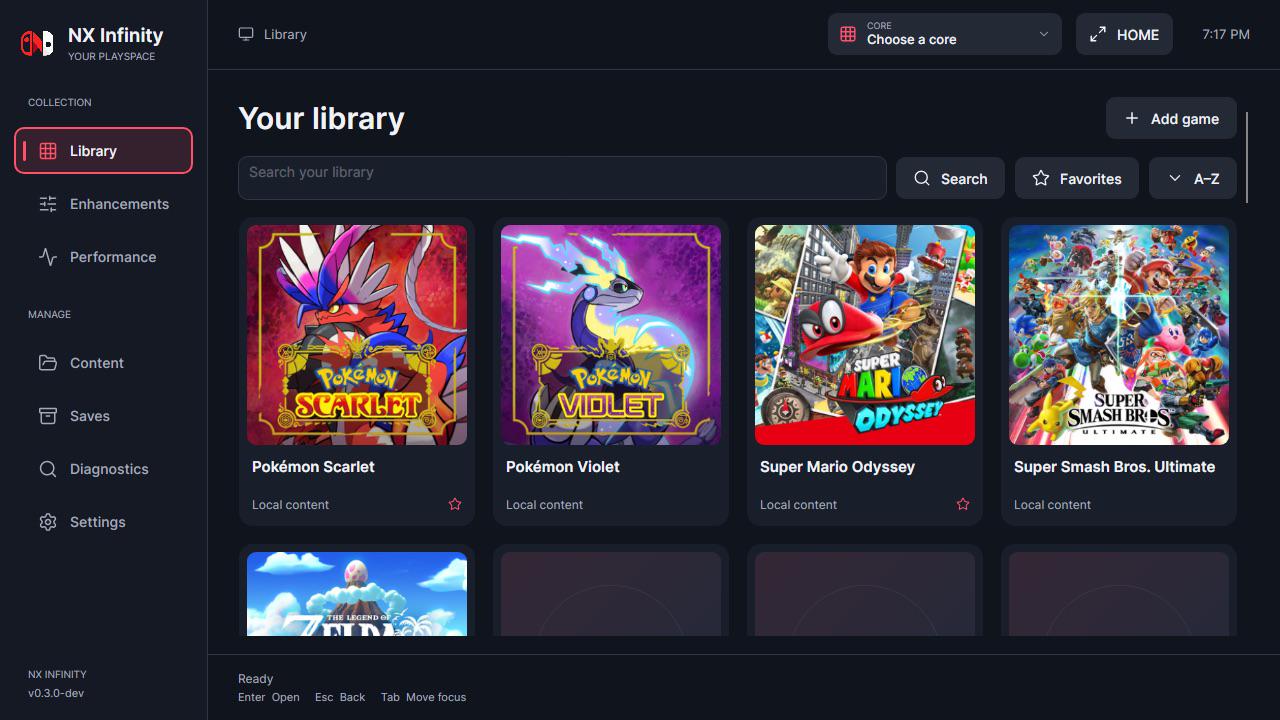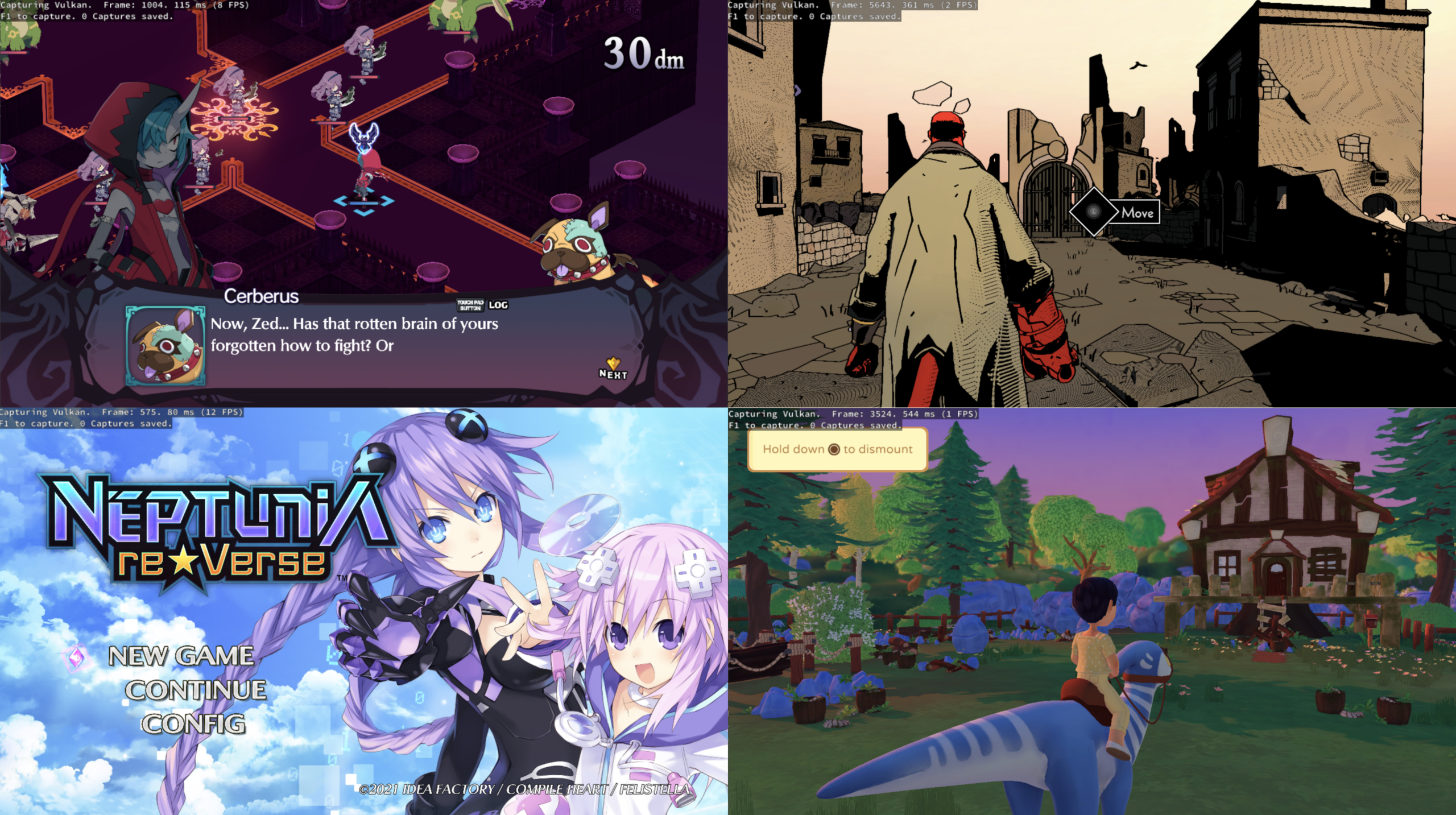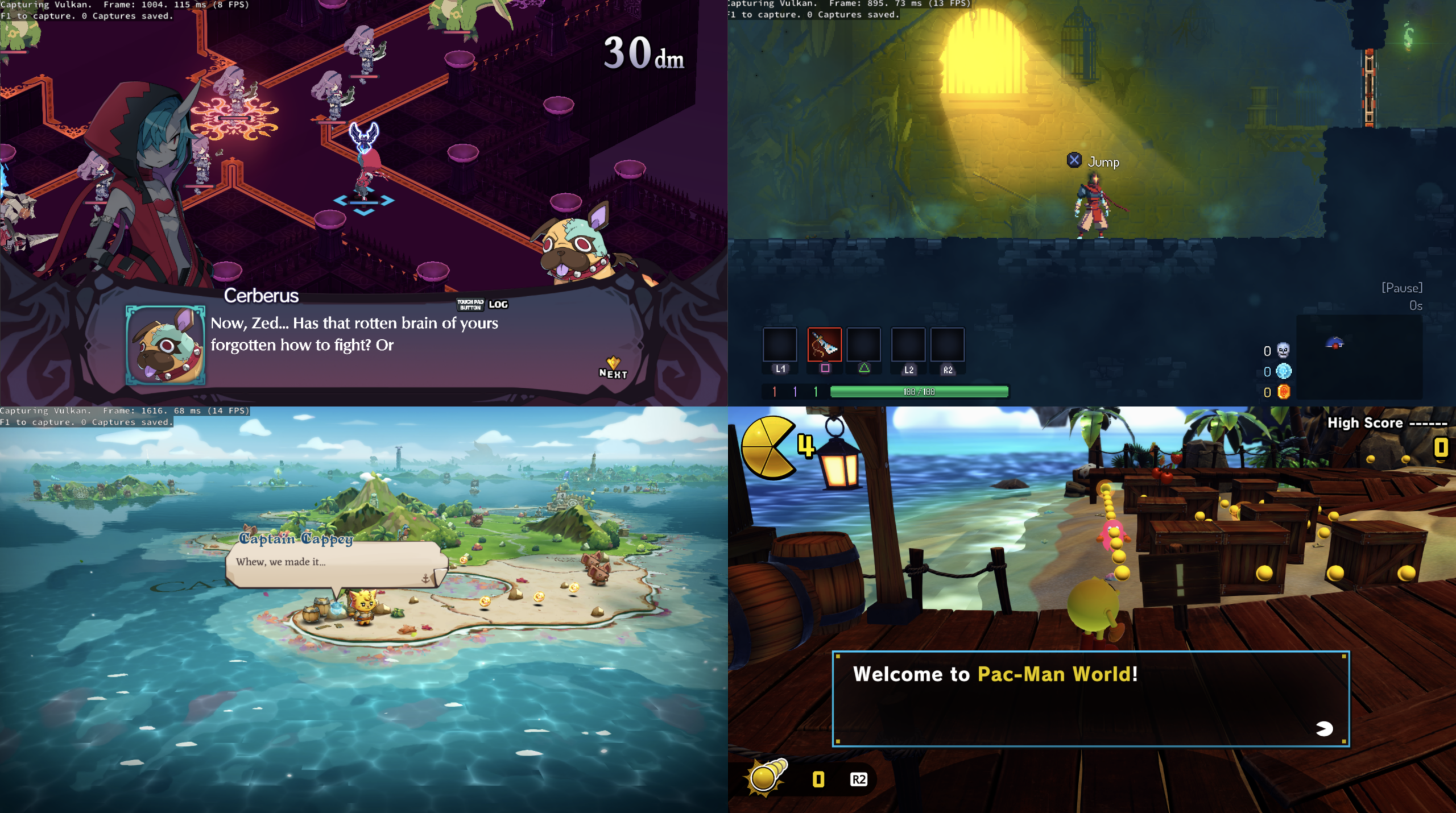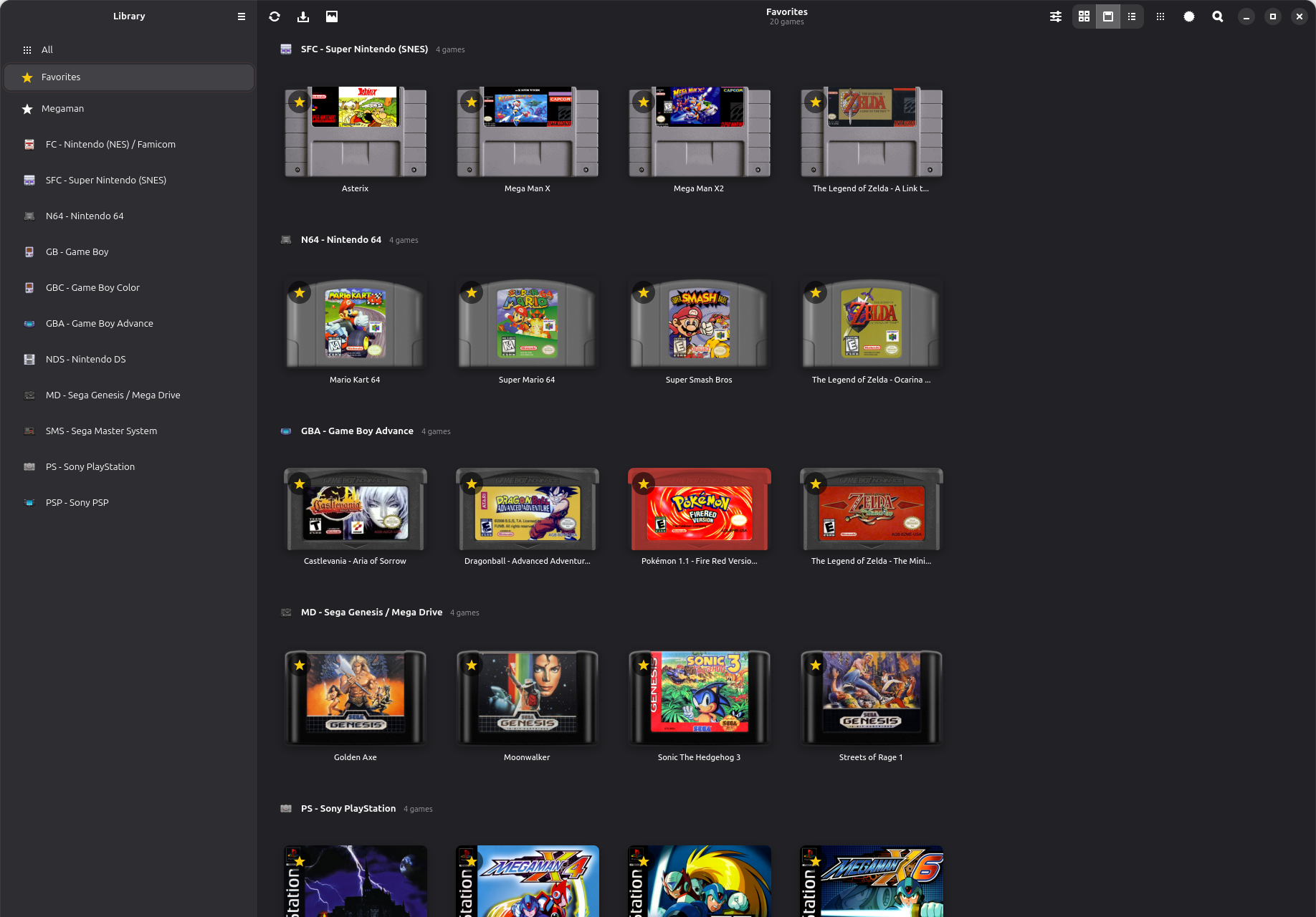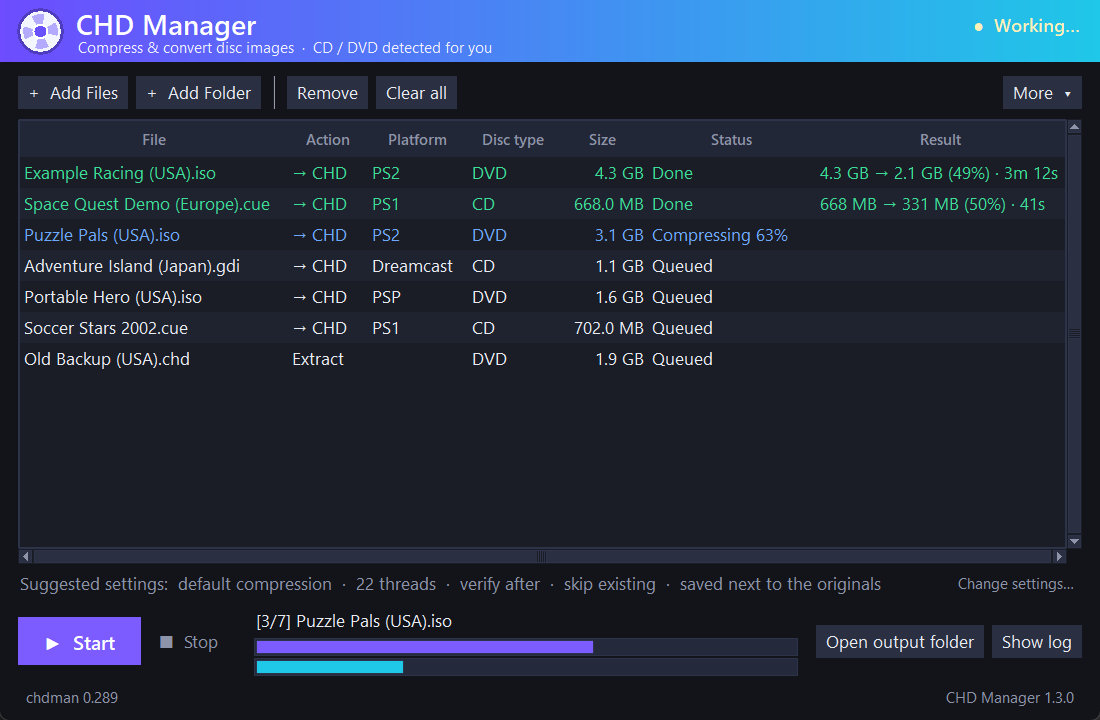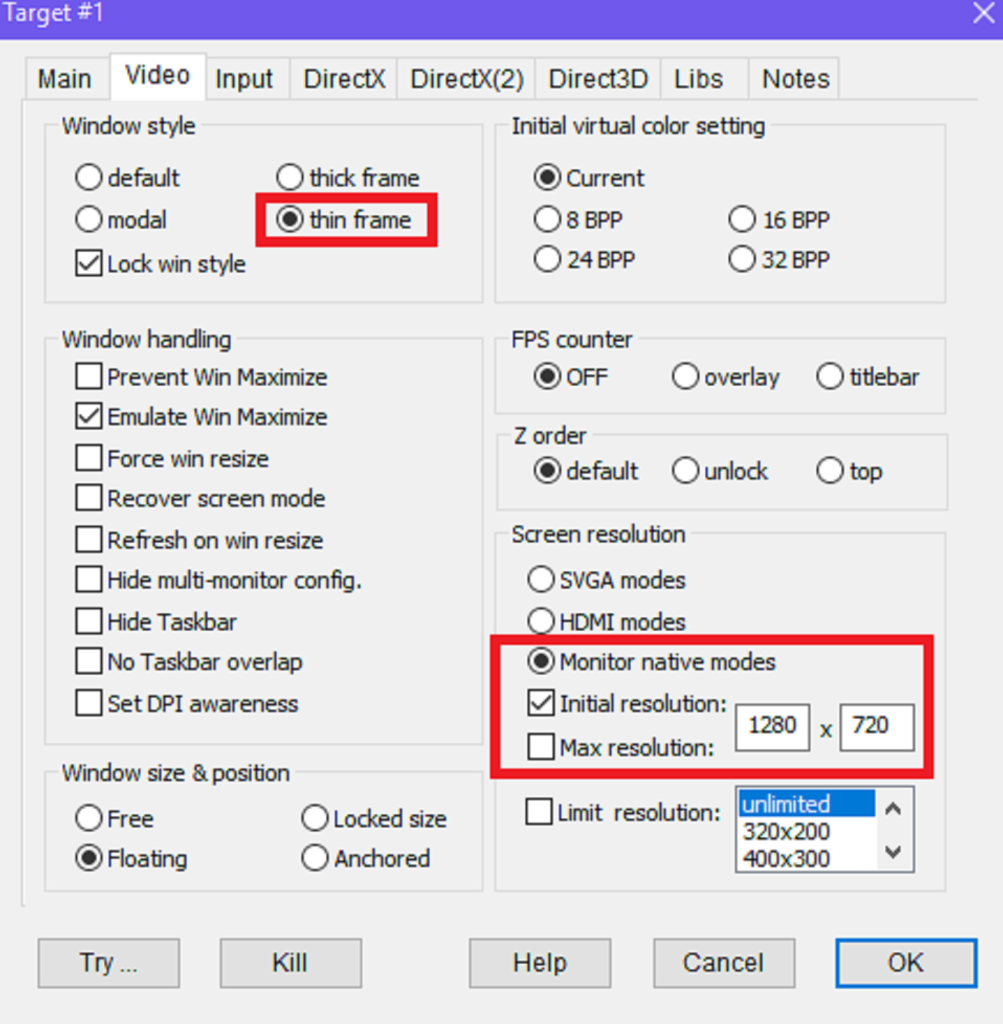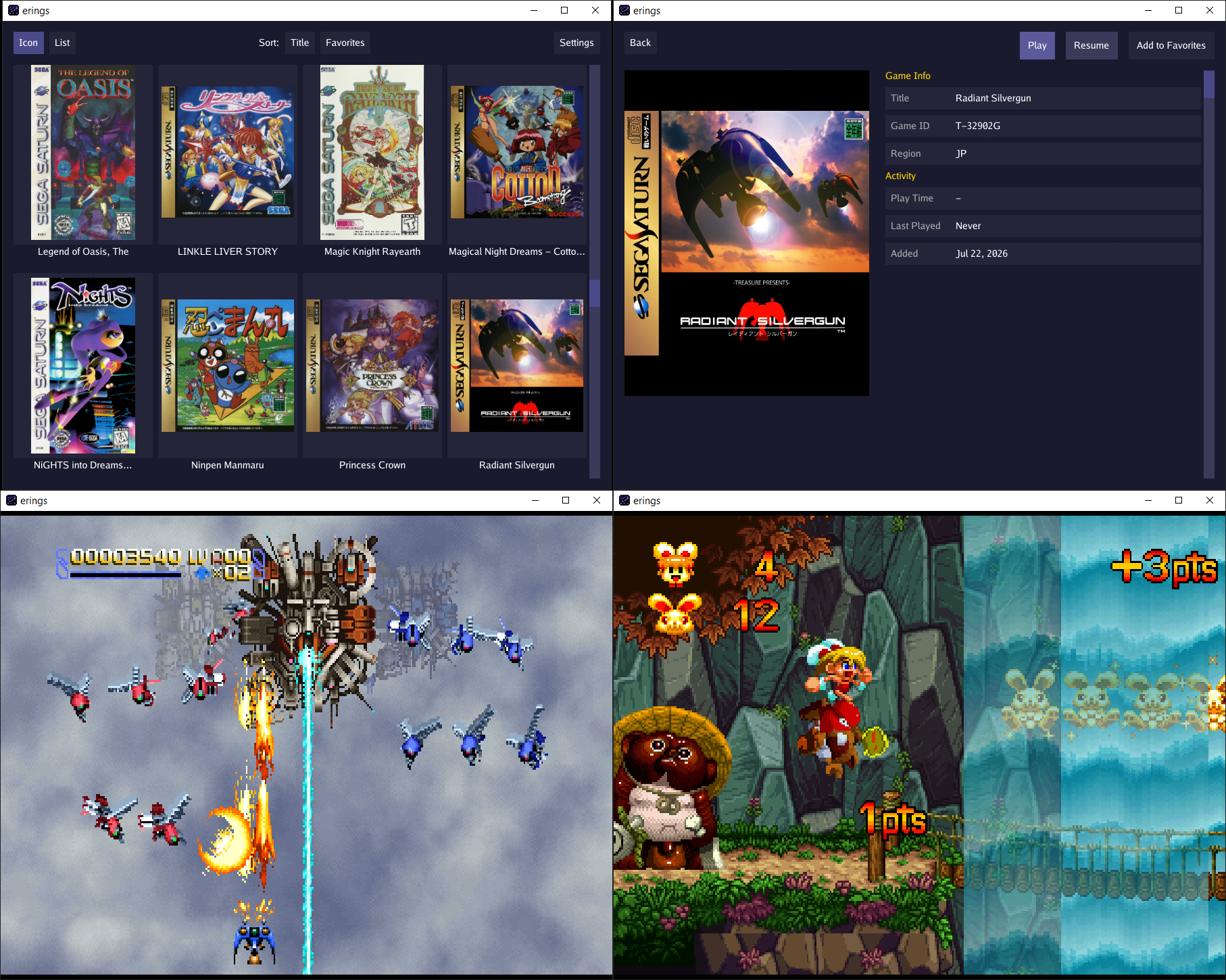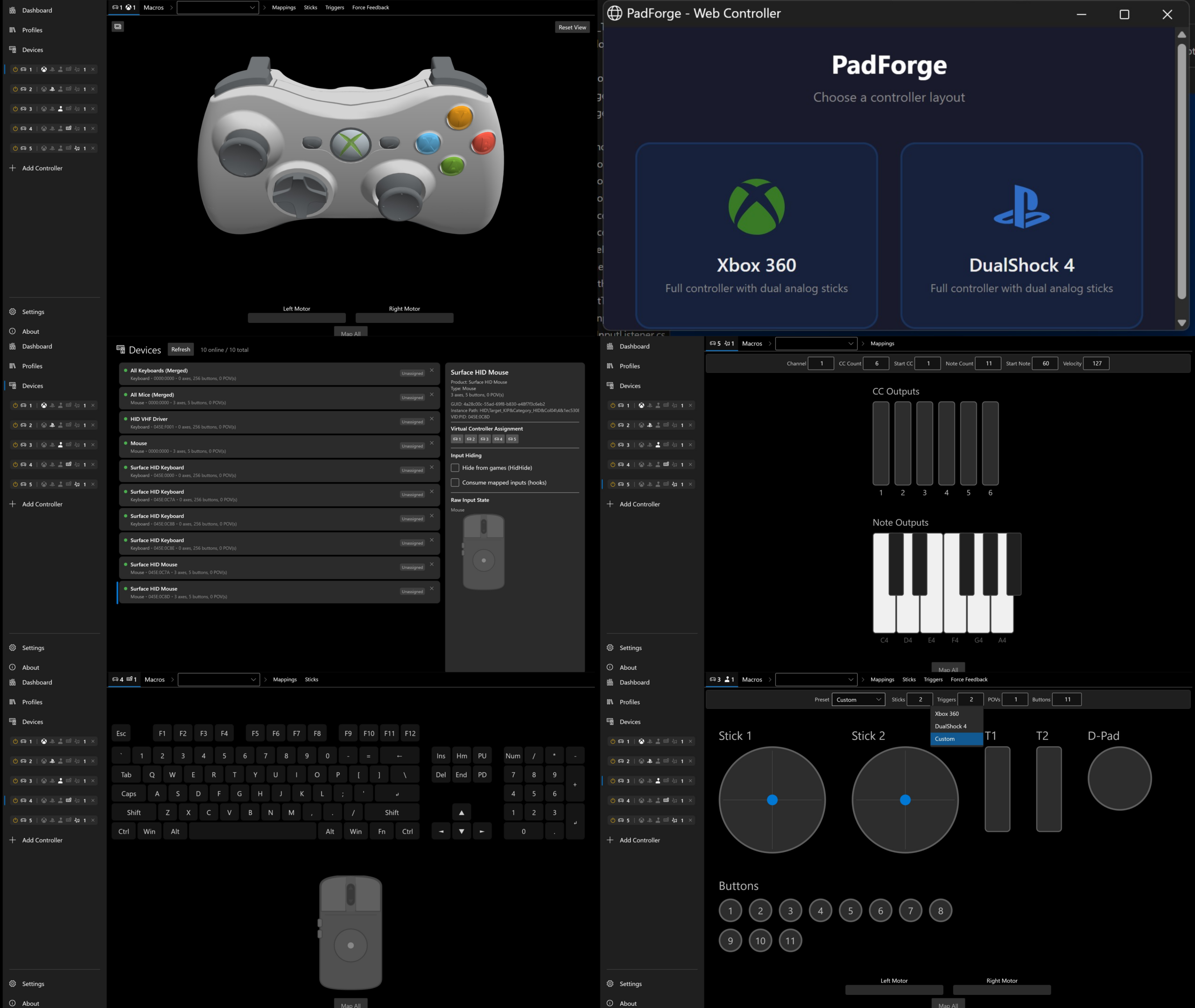
SharpEmu est un émulateur PlayStation 5 expérimental développé par par274, entièrement écrit en C# et conçu pour fonctionner sur Windows, Linux et macOS, même si le développement se concentre surtout sur Windows. Le projet est codé from scratch, sans reprendre d’autres émulateurs, et sert autant d’émulateur que de plateforme d’étude de l’architecture PS5.


L’émulateur est encore très jeune: aucun jeu commercial n’est jouable, mais il peut déjà charger des eboot.bin, exécuter des instructions CPU, lire les métadonnées des jeux, charger des modules système et initier certaines étapes du pipeline graphique. Plusieurs jeux testés atteignent des stades avancés comme sceVideoOut ou AGC, ce qui montre que le rendu commence à fonctionner, même si encore limité.
 
Le développement est actif, avec des builds Windows disponibles et des progrès réguliers. SharpEmu se concentre sur la mise en place d’une base technique solide avant de viser la compatibilité avancée ou la jouabilité.
 
En résumé, SharpEmu est un projet PS5 ambitieux, méthodique et en pleine construction, qui pose les fondations nécessaires pour une future émulation complète de la console.


Voici les changements:
– [CI] Update for cross-platform support (#209)
– Linux and macOS support (#47)
– Add files via upload (#202)
– [Host] Abstract audio output and pad/keyboard input behind the host platform seam (#192)


Télécharger Sharpemu v0.0.1 (2026/07/16) (46.3 Mo)

Site Officiel

En savoir plus…

Cette version fait directement suite aux précédentes créées par Ulrich Doewich et est à présent maintenue par Colin Pitrat.


Latest build of Caprice 32, with the newest cool features and the most recent bugs.
– Fix display of sprites that are partially out of screen (left or top, i.e. negative coordinates


Télécharger Caprice32 (x86) v4.6.0 (2026/07/16) (6.6 Mo)

Télécharger Caprice32 (x64) v4.6.0 (2026/07/16) (6.3 Mo)

Site Officiel

En savoir plus…

Il s’agit d’un fork de l’émulateur Switch Citron, repris exactement à l’endroit où son développement s’était arrêté.


Les changements:
– Merge pull request #269 from cheezwiz7899/nuke-autoupdater-setupwizard
– Merge branch ‘citron-neo:main’ into nuke-autoupdater-setupwizard
– Remove auto-updater and setup wizard


Télécharger Citron Neo (2026/07/16) (59.9 Mo)

Site Officiel

En savoir plus…

Mesen Community Edition est un émulateur multi‑systèmes open‑source pour Windows, Linux et macOS, développé par la communauté à partir du projet Mesen2. Il vise une haute précision, une excellente compatibilité, et propose une interface moderne accompagnée d’outils avancés pour les joueurs comme pour les développeurs.


Né initialement comme un fork pour pallier la mise en pause du développement de Mesen2 par son créateur original (Sour), MesenCE est désormais devenu la continuation officielle et exclusive du projet. Face à la dynamique communautaire, Sour a choisi de rejoindre activement l’équipe de MesenCE afin d’y centraliser tout le développement futur. Cette transition sous un modèle entièrement géré par la communauté permet d’intégrer plus rapidement les correctifs, d’améliorer la compatibilité multiplateforme et d’ajouter de nouvelles fonctionnalités, tout en préservant l’esprit d’excellence du projet d’origine.
 
Les changements:
 
Mesen is becoming MesenCE, a Community Edition maintained by Sour and various community members. All development will occur in this new fork going forward so it can continue whenever Sour is away from the project.
 
– SNES: MSU-1 should pause after a new track is loaded, until 2007 is written to start playback again. (#218)
– Runahead: Fixed issue causing runahead X to behave like runahead X-1 for all cores (except NES) (#219)


Télécharger MesenCE v2.2.1 r20260716 (74.6 Mo)

Site Officiel

En savoir plus…

Il s’agit d’un émulateur de Sony Playstation Vita pour Windows et MacOS, émulant homebrew, démos ainsi que des jeux commerciaux.


Site source (et builds automatiques).
 

Télécharger Vita3K v0.2.1 (2026/07/16) (35.7 Mo)

Site Officiel

En savoir plus…

Coffee GB est un émulateur Game Boy Color développé en Java 16 (pour le cœur) et Kotlin (pour l’interface graphique). Conçu comme un projet personnel et un exercice de programmation, il se distingue par une approche technique ambitieuse: l’émulation du CPU est cycle-exacte, chaque instruction étant décomposée en micro-opérations exécutées à la cadence réelle de la console.
 

Malgré son aspect expérimental, Coffee GB offre une compatibilité élevée, validée par les célèbres tests Blargg et Mooneye GB, garantissant un comportement fidèle à la console d’origine. Il prend en charge les cartouches avec les contrôleurs mémoire MBC1 à MBC5, ainsi que les sauvegardes sur batterie, permettant de conserver les données de jeu comme sur une vraie Game Boy.
 

L’émulateur lit également les ROMs compressées (.zip), propose une configuration des touches via un fichier .properties, et intègre une fonctionnalité de netplay avec rollback (encore expérimentale) pour jouer en ligne avec synchronisation des états.
 

Pour les développeurs ou curieux techniques, le projet inclut des tests automatisés via Maven, et le code source est disponible sous licence MIT, librement modifiable et réutilisable.


Télécharger Coffee GB v1.7.4 (130 Mo)

Site Officiel

En savoir plus…

Créé par Ben Vanik alias Noxa (PSP Player), il s’agit d’un projet de recherche pour développer un émulateur Xbox 360. Notez qu’il vous faudra une machine très performante pour lancer des jeux commerciaux de façon fluide. Plus d’informations ici sans oublier le site de développement là [master]. Un manager permettant de gérer l’émulateur Xenia est disponible ici.


– [Testing] Define full test paths, unify test results of vectors to unsigned type (c2650c6)
– [Xam/XMP] – Stub XMPGetNumSongsInTitlePlaylist
– [GPU] Initialize GPU registers to hardware reset defaults
– Misc fixes


Télécharger Xenia v1.0.2844 (2026/07/16) (3.4 Mo)

Site Officiel

En savoir plus…

Le projet GitHub xenia-edge est un fork expérimental de l’émulateur Xbox 360 Xenia, basé sur la branche Canary. Il vise à centraliser les dernières avancées techniques issues de divers forks dans un seul package. Le projet est conçu pour la recherche et l’expérimentation autour de l’émulation Xbox 360, avec une compatibilité Windows et Linux. Il propose un script de build personnalisé (xb) pour simplifier la compilation, une liste de compatibilité des jeux maintenue par la communauté, et une intégration continue via Buildbot. Le code est majoritairement écrit en C++, avec des contributions en Assembly, Python, Lua, HLSL et C#. Le dépôt contient des ressources utiles comme un guide de démarrage rapide, une FAQ et des instructions de compilation.


Télécharger Xenia Edge (2026/07/16) (10.0 Mo)

Site Officiel

En savoir plus…

DS4MapperTest est un projet expérimental servant de terrain de test pour de nouvelles idées de mapping de manette.
 
Il n’est pas destiné au grand public comme DS4Windows, mais plutôt utilisé pour tester et développer :
 

– Nouvelles méthodes de mapping
– Gestion avancée du gyroscope
– Injection d’inputs via SendInput
– Expérimentations autour des drivers d’émulation
– Alternatives à FakerInput


Télécharger DS4MapperTest v0.0.32 (2.3 Mo)

Site Officiel

En savoir plus…

Il s’agit d’un émulateur de Sega Dreamcast en cours de développement.


Les changements sont également visibles ici.
 
Une version payante (proposant la HD et UHD) est disponible sur le site officiel.
 

Télécharger Redream v1.5.0.1154 (2.5 Mo)

Site Officiel

En savoir plus…

IV/Play (prononcé «Four Play») est une interface graphique pour MAME. Il a été conçu par un codeur rémunéré par John IV comme une alternative à MAMEUI (que Robbbert maintient). IV/Play mise sur une séparation réelle entre frontend et code MAME afin que les changements sur MAME n’affectent plus le frontend. Il vous faudra .NET 10.0 pour le lancer.


Added a check for update button on F1, this will ping the website and compare the local .exe version and timestamp against the release on the web site and provide a link to the releases page to download the newer one.
• Introduced a ‘persistent’ DAT view. Toggle with the alt-tilde key and control the interior navigation of the
DAT overlay with Ctrl key combinations, e.g. Ctrl-Down, Ctrl-Page Up, Ctrl-Home, etc. Regular navigation keys will move through the gamelist, selecting a new machine. Note: Regular tilde key launches the regular DAT peek which allows full control
• The Available / Missing gamelist now self-heals. Once it has been built even once via F12, a later cache
wipe from an executable change, a database rebuild, or an F8 reset, it is rebuilt automatically on the next
launch instead of waiting for another manual scan.
• Fixed window-restore under multiple simultaneous MAME launches. IV/Play now stays hidden until the
last running instance exits, rather than reappearing as soon as the first one closes.
• Refined CHD filters. chd games now matches any arcade machine that requires a CHD image, and a new
chd software filter isolates CD-ROM and hard-disk software list titles (see Appendix 1).
• Screen-count filters are now exact. 2 screens, 3 screens, and 4 screens match machines with precisely that
many displays so results line up with MAME’s own totals; multi-screen still means two or more.
• History: / hist: searches now include software list items, not just arcade machines — the DAT text for
software was always present and is now reachable from the filter bar.
• More accurate platform labels and family grouping for software lists. Host-machine resolution was
reworked so a platform’s canonical parent is chosen correctly, fixing cases where a clone could become
the family node or a peripheral’s software was mislabeled.
• Fixed custom playlist export so machine entries are written in a form MAME can load. Earlier builds could
emit an unusable composite line for machines that own multiple software lists.
• Steadier DAT peek rendering. Navigating to a new game while the peek is open no longer briefly blanks
the text, and the media-type column now reads consistently.
• Removed filter-term highlighting inside the DAT peek. It added little once the peek gained its own in-text find (Ctrl-F), and the two were unrelated.


Télécharger IV/Play v2.8.10 (11.8 Mo)

Site Officiel

En savoir plus…

DOSBox Pure est un fork moderne de DOSBox, conçu à l’origine pour RetroArch, mais désormais disponible en version autonome sous Windows, ce qui le rend accessible sans frontend.


Pensé pour simplifier l’expérience utilisateur, il permet de lancer des jeux DOS directement depuis des fichiers ZIP, ISO ou CUE, sans configuration manuelle.
Il prend en charge les savestates, le mappage automatique des manettes, les overlays graphiques et les shaders, tout en détectant intelligemment les fichiers d’installation ou d’exécution.
 

Bien qu’il offre moins de réglages avancés que DOSBox-X ou Staging, il brille par sa simplicité et son efficacité, notamment pour les joueurs occasionnels ou les setups console-like.


La vidéo qui résume l’avantage de Pure, à savoir son extrême facilité d’utilisation:


Les changements sont:
 
New Features
Support for Dynamic VHD Disk Images
– Installing an operating system will also automatically create dynamic VHD files from now on (which initially is just a few megabytes and grows as needed)
 
Volume Settings
– Volume settings were added to the options for the various DOS devices (Sound Blaster, Adlib, MIDI, etc.)]
 
Handle shut down requests in Windows 9x
– Minimal implementation of APM (Advanced Power Management) BIOS functionality just to handle the power off request by Windows 9x. This will allow to automatically go back to the menu or exit the emulator when the emulated Windows is shut down.
 
Experimental multiplayer support (65398a8)
– For now can only be initialized via command line, -H to host server, -C=IPADDRESS to connect client, -P=PORTNUMBER to customize port
 
Custom Paths in Config File (5865f67)
– Added advanced options that can only be set via DOSBoxPure.cfg file:
 
default_content: Specify the default content file to be loaded when starting without passing a path
path_saves: Specify a custom path to be used for the saves directory
path_system: Specify a custom path to be used for the system directory
 
Unleashed Fixes
– Fix analog triggers on a gamepad mapped to keys possibly making the pressed keys getting stuck (250071b)
– Set the keyboard LEDs on startup before the first keypress (05341ed)
– Prevent occasionally falling out of fast forwarding if the emulated and actual monitors’ frequencies are the same (cf1c4d0)
– Fix SF2 or MT-32 ROM loading error not always showing
– Fix potential crash during restart/shutdown while CD audio playback is active
 
Minor Additions
– Allow mounting of ZIP files via IMGMOUNT command (with IMGMOUNT X: file.zip -t zip)
– Support a custom extended M3U format tag to overlay the multiple contents (i.e. load multiple ZIP files as C:)
 
Improvements
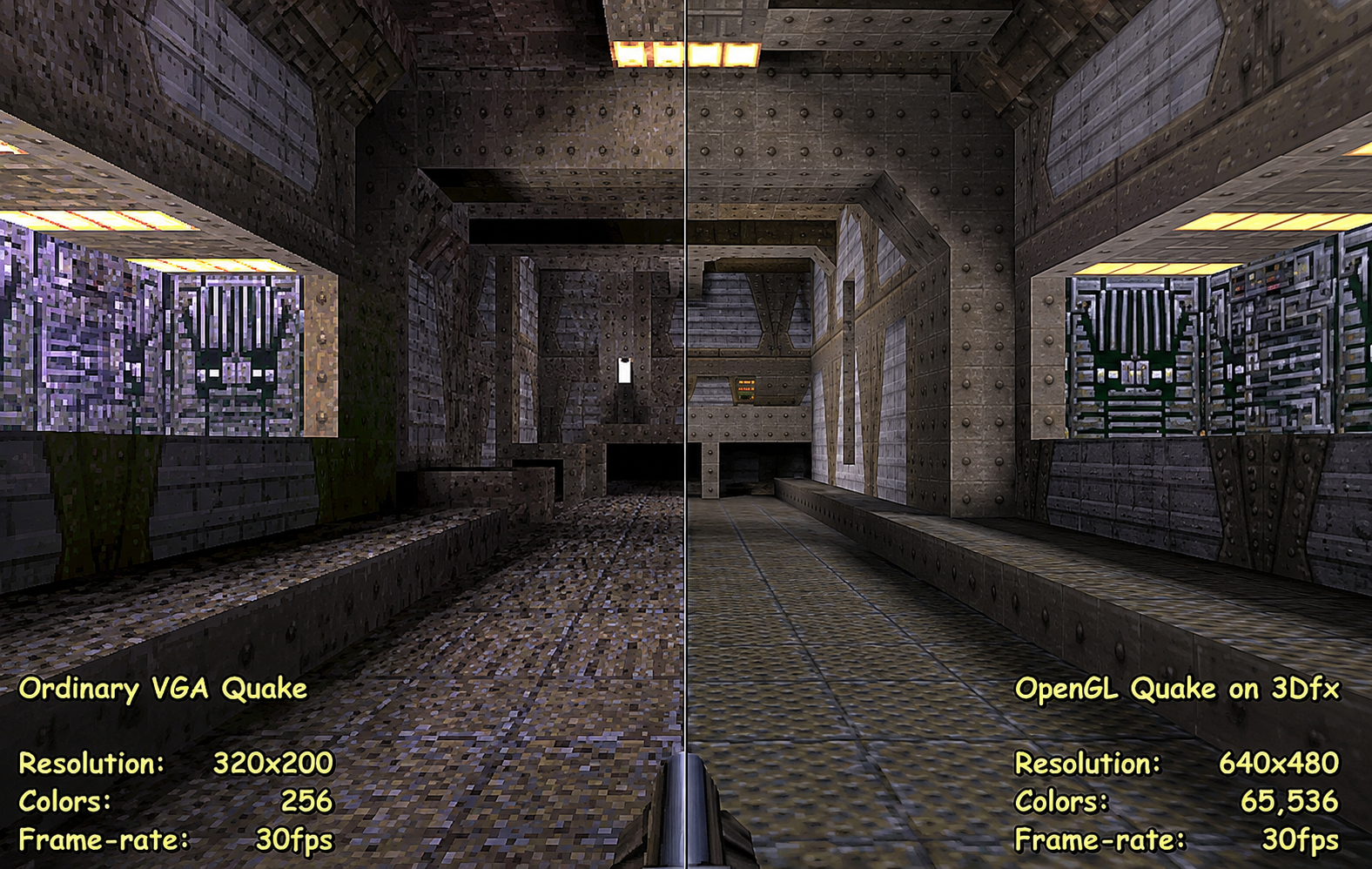
– 3dfx OpenGL improvements (pixel drawing and reading, hud effects)
– Further speed improvements of save file writing
– Use more optimized memory reading/writing for INT13 disk access
– Integrated faster variant of Nuked-OPL3
 
Fixes
– Fix some Windows 9x games that show a black square on top of the screen
– Fixed some floppy disk installers not working correctly
– Fix directories inside ZIP potentially having the wrong date/time loaded if a child of the directory appears first in the ZIP structure
– Fix a crash when unmounting a drive which contains disk images that are also mounted
– Fix crash in disney sound source emulation when being forced to render a large block of audio samples
– Avoid long freezes and potential crashes when using a .conf file with an [autoexec] section that mounts a directory with an extreme amount of subdirectories
– Fix Gamepad Mapper wrongfully showing content specific preset instead of ‘Custom Mapping’ if the only change to the preset is an additional button mapping
– Fix mouse stop working when a guest program loads mouse driver state with INT33H 0x17
– Apply fix for ‘Grand Prix 2’ keyboard mapping (correctly map moving right to right instead of down)


Télécharger DOSBox Pure Unleashed v1.0 Preview 6 (3.5 Mo)

Site Officiel

En savoir plus…


Casino-en-ligne-fiable.com

https://getourbonus.com/fr/accueil

https://www.romspedia.com/

https://www.casinoonlinefrancais.fr

Lucky 7 bonus

https://www.casinogratuitsansdepot.com

pablocasino.org

critiquejeu.info

playbonus

casinodoc.org

laplanquedujoueur.com

casinoonlinefrancais